Polaroid Stories
Art: Tash Kahn, Writer: Cathy Rose
The Crows
My new housemates didn’t believe in turning the heat on. Ever. They kept a communal box of sweaters, scarves, hats in the hallway. But none of them wore anything from it. Throw-on thrift store dresses, tees, even shorts were the norm. A tough lot my new housemates were. Some had nudist tendencies.
They practiced “Availability.”
Is that like being present? I’d asked in the interview. They shook their heads, no. A Buddhist thing? Nope. Has anyone written a book on it? A bedsheet hung over their bookcase like a shroud.
The room, available immediately, was drenched in glorious sunlight.
They reminded me of crows. Here, there, everywhere. On the beat-up couch, at the kitchen table, in lawn chairs on the deck off the laundry room. They were bold, unflinching. Eyes on you. Eyes on the world. A caw coming when you least expected.
Try being—OUT, as opposed to holed up IN your room, they said. Were they annoyed? No. Just they were seeing a tendency of mine to burrow, under the down comforter. We encourage, at the very least, open doors, they said. To smoke me OUT, they moved my magnet up a week on the cooking chart.
I had thought I could do DoorDash on my nights to cook. Indian, Thai—I knew good places, but this was in violation. Is there an “Availability” manual? No. Are there dietary restrictions? None.
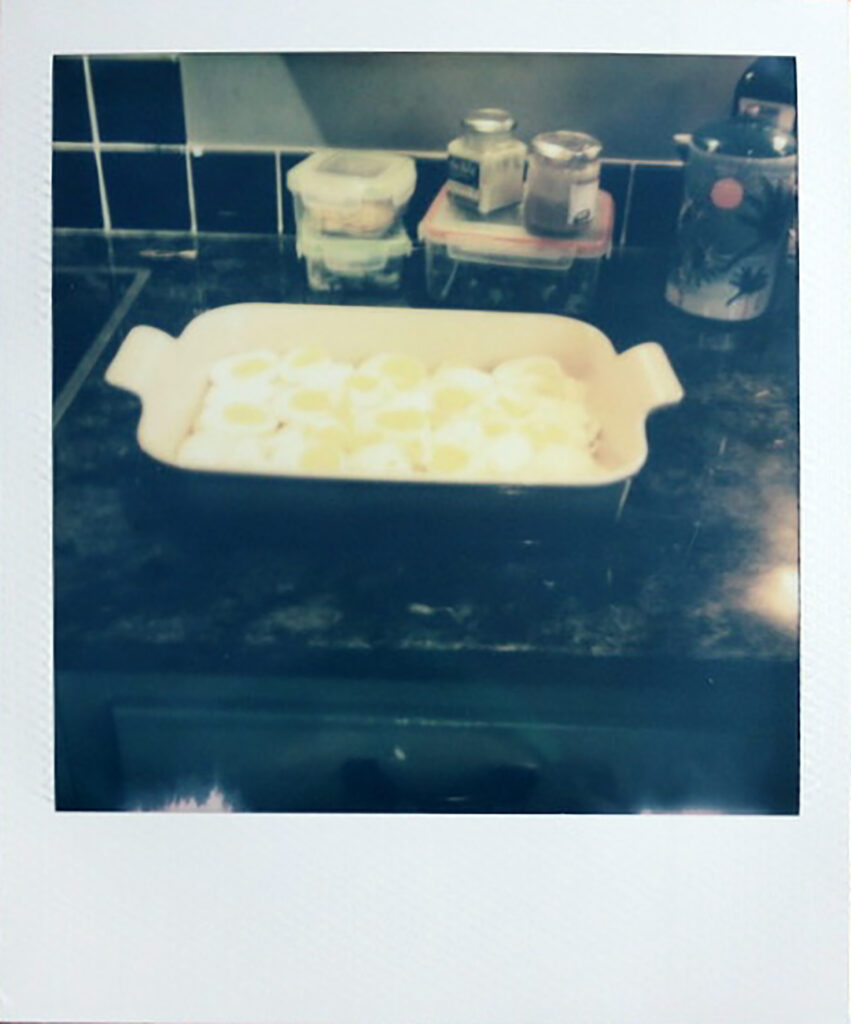
My aunt emailed me a casserole recipe emailed to her from her aunt in Budapest. I was armed, yet nervous. But assembling the casserole was fun, like stacking Lincoln Logs. So many cabins built as a girl. So many fires tended in tiny hearths. Icy cold air blew through the kitchen window, a window that MUST be kept open—at all times.
Mid-casserole assembly, I ducked into the hallway to don a Nordic cardigan from the communal box, buttoning up the silver metal buttons, adding a scarf and wool beanie. I was warming myself against the pre-heating oven when a housemate called from the other room.
Are you hiding out in there?
I’m cooking!
Just an obser-VATion.
JUST SAYin’! I said back a tad snarky.
Even without the dill garnish the recipe called for, the casserole was beautiful. I was so proud to lay it out on the table. Ready, everyone!
The dinner was much like an archeological dig with the housemates combing through the casserole, inspecting each layer with their forks, taking bites as if for science. Finally, I saw what appeared to be approving nods, shared not with me, but amongst themselves. Odd, but this was how they rolled, and I took it as a great sign. Of acceptance. Later, when they asked if I was “Available” to join them in the living room, I felt pleased, newly open. Yes, I am, I said, and meant it.
They had all found perches when I came in, some up high on the back of the couch, others down on floor pillows. One had the coveted window bench which overlooks the yard. The room was still, with the calm dimming light of early evening.
I was still searching for my spot to sit, when, from over on the couch, I heard, “A lot of layers—you have a lot—.” These pensive words were about me. I saw nods of agreement. Around the room, their eyes shewn, as my own cut away. I might have blushed. I was flattered, drinking it in. Who doesn’t want to be seen as a kaleidoscope?
But what I mistook for a collective gaze—.
I still had on the Nordic sweater from the hall box buttoned to my chin, the scarf and beanie, too. But it was my long johns that did me in. My pants were high-water, as is the style. All eyes were on my ankles as, one by one, they pecked at me like a sack of seeds.
The Man on the Platform
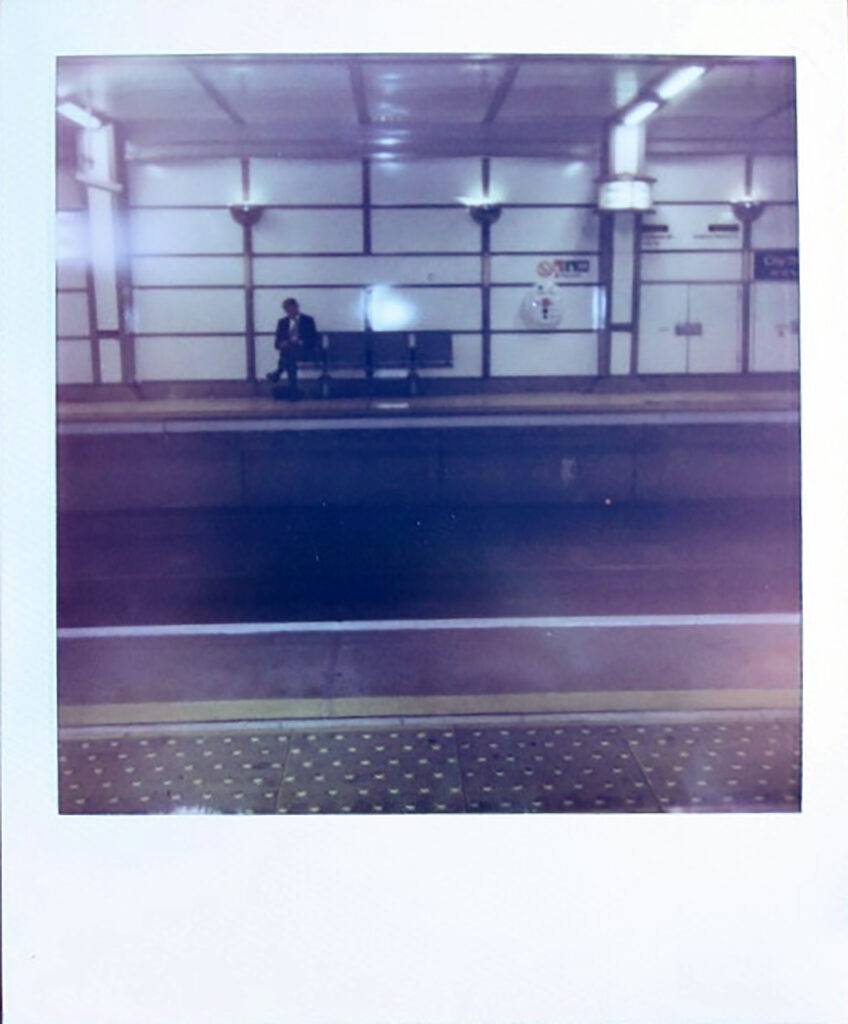
We all hated our job, part of which was to hire others to do it. The man we interviewed wanted the job, was enthusiastic, so we decided not to hire him. But no one wanted to tell him, we hated doing that. I saw the fellow on the train platform later that day, looking hopeful for his future. I decided I should break the news to him but agonized too long. His train came. He took a seat by the window, loosened his tie. He had given one hell of an interview. He didn’t notice me on the platform, was too busy seeing on ahead. The engine’s growl, the soles of his shoes vibrating, his train would lurch forward, move slow through the tube, then burst into the light of early evening. There would be time for a run around the lake by his house, an easy pace, he would take it easy, watch the ducks like a man satisfied, but still expectant. He might have seen me, might have not, as his train left the station. Though I have a knack for invisibility, I can’t say I didn’t worry. But it gave me a last look at what was in his eyes, the brightness, and I wanted it so bad I up and quit my job first thing the next morning. I hear my buddies hired him. Ask me in a month. My wife says this is not a happy ending.
The Front Door
My girlfriend told me she had to go out of town for a funeral but didn’t think we’ve been dating long enough for me to join her. It was bluntly stated, and I had to take a beat, but it was her best friend’s mother who’d died, not her mother or anything. “I am ready for you to paint my door, though,” she said. “Maybe while I’m away?”
She was one of those people who’s embarrassed by where they live. “My apartment’s a total grandma flat, no cool factor,” she’d warned in one of her earliest texts, and soon after we’d started seeing each other, we’d talked about me using my incredible talents, her words, to paint a mural on her front door.
I was excited to finally be given the go-ahead, and the ideas began to flow. It should be quirky yet elegant—like her. Pensive but playfully so, striking just that right note between light and darkness, hope and despair.
“I totally trust you,” she said.
That she was giving me full creative license warmed my heart. It was the door to her interior after all, albeit only physically. But she soon followed this up with “one more thing.” I could paint her door, and she would love that, but she did not want me in her apartment while she was away. “It’s too—.” She left unspoken the word soon and instead held up her thumb and index finger, with barely an inch showing between.
“I’m almost there but not quite,” she said smiling sheepishly.
I’d been letting her set the pace of our relationship, but I protested this arrangement on practical grounds. Painting is messy, how was I going to wash my hands, my brushes? But she showed me a spigot outside her building with a neatly coiled lawn hose attached, shared with the apartments on either side. They wouldn’t mind, she said, since I was her boyfriend. Boyfriend—it was the first time she had called me that, and this sustained me as I worked on the mural during her weeklong funereal absence. I enjoyed the project, and the time passed quickly.
I had just put the finishing touches on the mural and was doing the final rinsing of the brushes in the spigot when she stepped out of the Uber, and dropping her bags, ran and threw her arms around me. She could be affectionate, but I knew right away this was the hug of someone who had just peered inside a coffin, into cool glass eyes, and now was holding on for dear fucking life to anything still living and breathing, and having seen behind the veil, was now filled with a love for everything and everyone. It felt great, that hug, GREAT, and yet somehow impersonal.
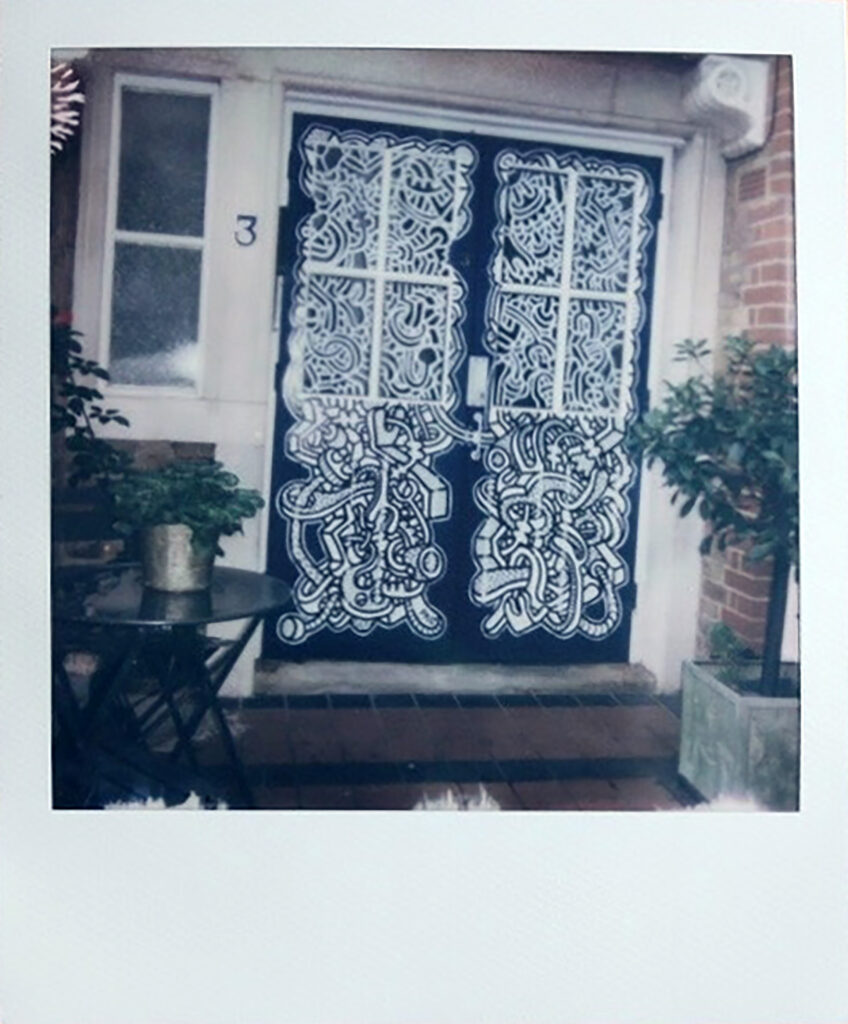
Over my shoulder, mid-squeeze, she caught sight of the mural. “Oh, my god, oh my god, I love it, I love it–I think—.” She released her grip on me and inched towards it. As far as I knew, her vision was 20/20, but she was squinting like someone who was trying, but somewhat failing, to get by without their glasses. “It’s kind of—octopussy.” she said stifling a little laugh. “Are those tentacles? Is that a tongue or a boot? It looks like a, like—an engine—a boiler room—on a submarine.” My head was whirling. A tongue, a boot? Do submarines even have boiler rooms? “I’m sorry,” she said. “It’s nice, it’s just a lot being inside your brain.” She braided her fingers into a twisted ball to depict my grey matter.
Her bluntness was stinging, and I found myself responding in kind. “I think we’re talking about the inside of your brain here.”
“Uh, I don’t think so,” she said as if that settled that, and headed inside, leaving the door slightly ajar to signal that I could come in. My days out on the stoop were over.
I took my time finishing up the brushes in the spigot, reattaching the garden house, coiling it neatly, hiding it under the bush—for the neighbors, they were older, the man, retired navy, the woman, a cellist, she had felt sorry and had me over for tea. Then I stood before the mural, trying to really see it.
Most of what I’d envisioned had been pretty well realized, and the surprises you always hope for were all there. It was quite a thing in motion really, restless yet free, with a certain musicality. A treble clef had somehow painted itself in, crazy! There were strong oceanic elements, I would give her that. An octopus? well maybe, but she was one who’d gone snorkeling in Bora Bora with that dude. There was a nod to the industrial revolution, yes, but a boiler room on a submarine? I would ask the fellow next door about that one. I had to laugh when I spotted the spigot there in the mix, and even the hose. But what struck me most was how the lines wove together to create what looked like an iron gate—elegant in its design, and yet a fortress.
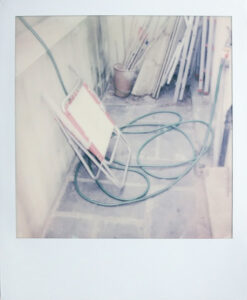
Patio in Disarray
I have been told I have potential.
I want to believe it.
I have been told SO many times I have potential.
Do you think I do?
I have been told TOO many times I have potential.
I get sad that I am not living up to it.
It’s a buzz kill.
Please take me as-is.
Enjoy me.
A word from your patio.
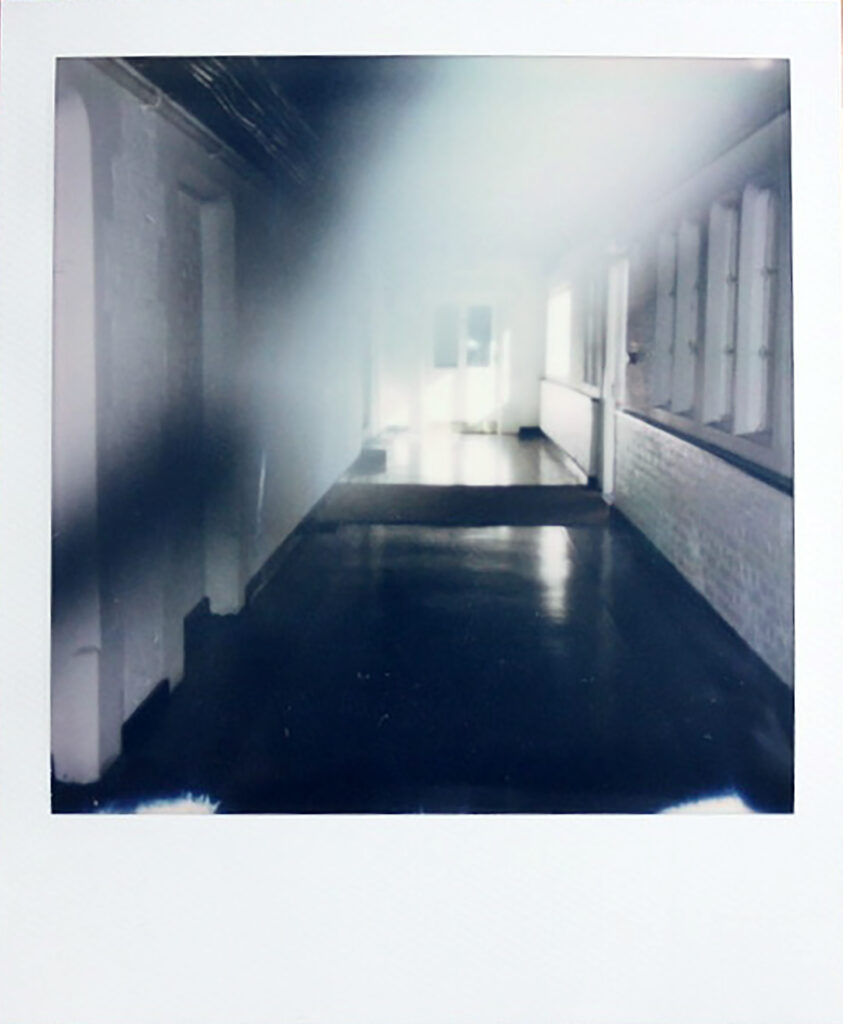
Rules
The nuns dragged my desk out into the hallway. Like a little pill bug, I’m filling the lines of my rule book with the name of a king. Nebuchadnezzar.
My pencil is blunt. My desk is covered in pink eraser bits. I have a hundred more Nebuchadnezzars to go. I could cry, but I won’t. Nebuchadnezzar, Nebuchadnezzar.
Until now, I have been good at staying out of trouble. When the nun counts one, two, three at the water fountain, I stop at two. That way, she cannot pull me up by the ponytail. I do not ask to go to the lavatory. Ever. But you will not find a puddle under my desk. I am good at holding.
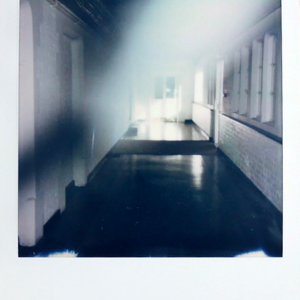
The sun enters the hall. It feels a tender mercy. But my blouse is sticky where it meets my wool collar. I can’t breathe. If I start to faint, I will have to clap my own hands, “Come to!” Someone is approaching. I prick up my ears. I know her footsteps, those wicked black shoes, the rattle of the rosary beads that hang from her habit. Both visit me in dreams.
It is only Lemuel, the janitor, polishing the floor with his push broom, the fluffy one that looks like a dead poodle. He swooshes the broom around my desk. I lift my feet so he can reach under. I was up late polishing my saddle shoes, applying coats of black and white. The white came out as perfect as an egg, but now, in the shadows of the hallway, they are ugly.
“In the doghouse, Mi-sssssy?” He hisses. My mother says it’s just they do not fix teeth wherever it was Lem was put before. I am not afraid. He looks down at my rulebook.
“Nebuchadnezzar,” I say. “King of Babyland.” He asks what happened. “A rule,” I say.
“You broke a rule?” I shake my head no and explain. How I was reading aloud to the class when the nun ducked out the door. “Keep going, go on,” she’d said twirling her hand.
I was reading from the Old Testament. The class was listening, but with no nun, it was like being inside a milk bottle. I read and read and until I got to a word I didn’t know. The rule is, when you don’t know a word, you have to stop I explain to Lem. So the nun can go whAAAT! Your phonics! SOUND IT OUT.
“You stopped?”
“It’s the rule!” I say, stamping my saddle shoe. “You have to.” Lem leans on his broom, looks at me sideways. “I thought she’d be back” I say. “She was gone SO long.”
“Ah, Missy.” He pulls a cloth from his pocket and wipes his brow. He knows what a mess I made. Eraser fights had broken out, paper planes had flown. I look past him to the exit doors at the end of the hall. Many times they have called out to me.
“Where do nuns go?” My voice echoes. It feels like the biggest question I have ever asked.
“Oh, that’s easy,” Lem says. He points to a room by the chapel that I had believed was for the spanking machine. “Somebody dropped off a Bundt cake. Has a little kick. All the sisters been stopping in for it. Why you think I’ve got the broom out?” he says chuckling.
“Butt cake!” I blurt out. We both bust up, me with a squeal. Lem with a low guffaw.
“Now that’s the genu-WINE Missy—that’s YOU, the You You. To heck with, the I’m Nebuchadnezzar going to do nothing wrong, sister Mary Butt Cake. Just to heck with all that.”
He gives his broom a shake, lays it back on the floor. “So, what happened when the nun came back?”
“She called me a simple town.”
“What—?” he says frowning. “Mi-sssy, you’re too good, but you ain’t no simple town.”
He looks cross now. And as he pushes the broom on down the hall, he is talking, still talking. Not to me. Maybe to the nuns. Or to nobody. Sometimes nobody is your best friend. Or maybe to the them that put him wherever he was put. I don’t know. There’s so much I don’t.
His voice grows louder.
“To heck with all y’all Mo-Fos. You ain’t the king of me. You the idiot. You ain’t Nebecanezzer—.”
The classroom door flies open behind me. I hear the rattle of her beads. The nun steps into the hall, looking first at Lem, then at me, her mouth in a giant O.