
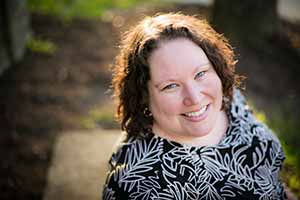
Are they wild or feral?
Jennifer Jackson Berry is the author of The Feeder (YesYes Books, 2016). She lives in Pittsburgh, Pennsylvania.
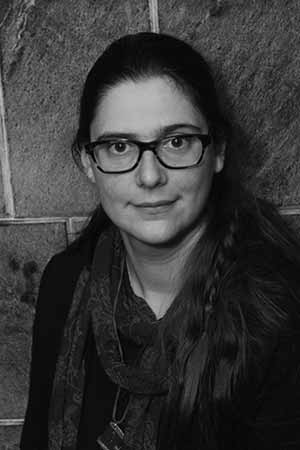
Interview with the Dead
Julia Bouwsma lives off-the-grid in the mountains of western Maine, where she is a poet, farmer, freelance editor, critic, and small-town librarian. She is the author of MIDDEN (Fordham University Press, forthcoming 2018) and Work by Bloodlight (Cider Press Review, 2017). Her poems and book reviews appear in Bellingham Review, Colorado Review, Muzzle, Salamander, RHINO, River Styx, and other journals. She is the recipient of the 2016-17 Poets Out Loud Prize, the 2015 Cider Press Review Book Award, and residencies from the Virginia Center for Creative Arts and the Vermont Studio Center. A former Managing Editor for Alice James Books, Bouwsma currently serves as Book Review Editor for Connotation Press: An Online Artifact and as Library Director for Webster Library in Kingfield, Maine.
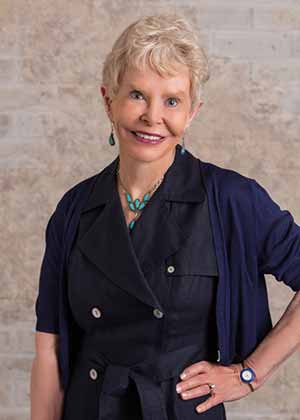
Speaking in Tongues
Mary Jo Balistreri has two full books of poetry, Joy in the Morning and Gathering The Harvest, published by Bellowing Ark Press, and a chapbook, Best Brothers, published by Tiger’s Eye Press. She has recent work in Parabola, The Hurricane Press, Plainsongs, The Tiger’s Eye, Avocet, Crab Creek Review, Quill and Parchment, The Heron’s Nest, Acorn, and A Hundred Gourds. Poetrystorehouse has offered videos and a soundscape of two of her poems. She has six Pushcart nominations, one of which is for “What is it About Snow,” published by Grist in 2014, and two Best of the Net nominations. Mary Jo is one of the founders of Grace River Poets, an outreach for women’s shelters, churches, and schools. Please visit her at maryjobalistreripoet.com.
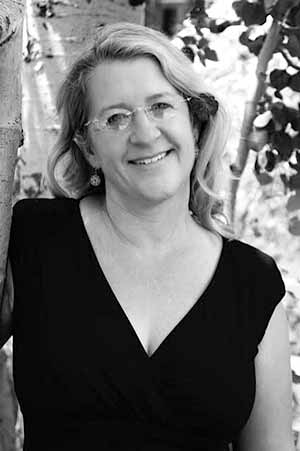
Interview Questions for Death
Heather Altfeld’s first book, “The Disappearing Theatre” won the Poets at Work Book Prize, selected by Stephen Dunn. Her poems appear in Narrative Magazine, Pleiades, ZYZZYVA, and others. She is the recipient of the 2017 Robert H. Winner Award with the Poetry Society of America and the 2015 Pablo Neruda Prize for Poetry. She lives in Chico, CA and has just completed two new poetry collections.
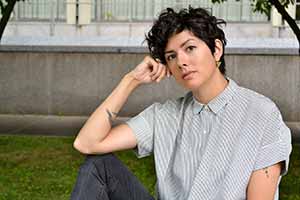
No one needs another poem about the Second World War
Kimberly Quiogue Andrews is a poet and literary critic. She is also the author of BETWEEN, winner of the 2017 New Women’s Voices Chapbook Prize from Finishing Line Press. A two-time Academy of American Poets prize winner and a Pushcart nominee, her recent work in various genres appears in Rambutan Literary, The Shallow Ends, The Recluse, the Los Angeles Review of Books, ASAP/J, and other venues. She lives in Maryland and teaches at Washington College, and you can find her on Twitter @kqandrews.
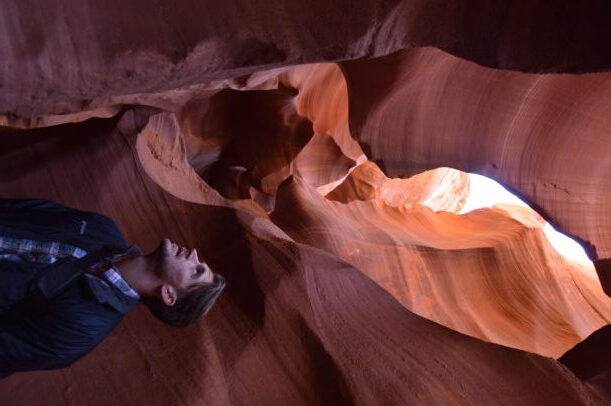
Rod
Jess Williard’s poems have recently appeared or are forthcoming in The New Orleans Review, North American Review, Southern Humanities Review, Iron Horse Literary Review, Borderlands: Texas Poetry Review, Oxford Poetry and other journals. He was a 2016 finalist for the Janet B. McCabe Prize in poetry from Ruminate Magazine and lives in Illinois.
Tear Down
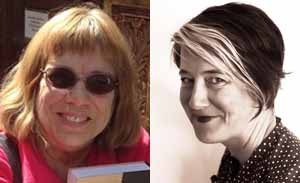
Sandy Solomon teaches at Vanderbilt University where she is Writer in Residence and Associate Director of the Creative Writing Program. Her book, Pears, Lake, Sun, which won the Agnes Lynch Starrett Prize from the University of Pittsburgh Press, was also published in the U.K. by Peterloo Poets. Her poems have appeared in such publications as The New Yorker, New Republic, Threepenny Review, Gettysburg Review, Poetry Review (UK), and the Times Literary Supplement.
Jana Harper is a visual artist who works both collaboratively and individually on themes related to quietude, connection, authenticity, and environment. She works in a variety of media including printmaking, drawing, installation, photography, and artists’ books. Her work has been shown in both solo and group exhibitions nationally and internationally and she has enjoyed artist residencies both in the United States and abroad. Jana teaches at Vanderbilt University.
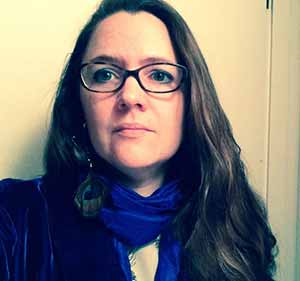
The Names Are Not Revealed
Phoebe Reeves earned her MFA at Sarah Lawrence College, and now teaches English at the University of Cincinnati’s Clermont College in rural southern Ohio, where she advises East Fork: An Online Journal of the Arts. Her chapbook The Lobes and Petals of the Inanimate was published by Pecan Grove Press in 2009. Her poems have recently appeared in The Gettysburg Review, Hayden’s Ferry Review, Drunken Boat, Phoebe, and Memorious.
Fever
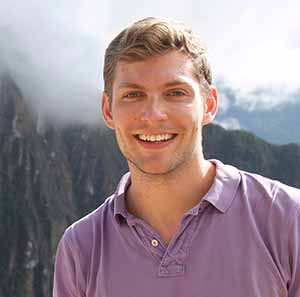
Max McDonough is a Creative Writing Fellow at Vanderbilt University. His work appears in Gulf Coast, CutBank, The Adroit Journal, Columbia Poetry Review, and elsewhere.

Point of origin after Li-Young Lee
Éireann Lorsung is making a very long prose object about archives and earthquakes. She is also residency director at Dickinson House (dickinsonhouse.be). You can find other of her poems in Music for Landing Planes By, Her book, and a third collection forthcoming from Milkweed Editions.
Alibi
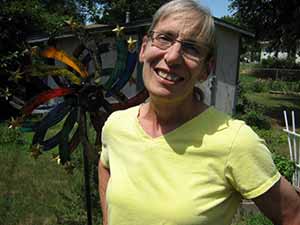
Lisa Lewis’s books include The Unbeliever (Brittingham Prize, 1994), Silent Treatment (National Poetry Series, 1998), Vivisect, (New Issues Press, 2010), Burned House with Swimming Pool (American Poetry Journal Prize, Dream Horse Press, 2011), and The Body Double (Georgetown Review Press, 2016). Recent work appears in New England Review, Carolina Quarterly, Guernica, Four Way Review, American Literary Review, Florida Review, and elsewhere. She directs the creative writing program at Oklahoma State University and serves as poetry editor for the Cimarron Review.
Nanny Fairchild Offers Wisdom to her Nearly Grown Up Charge
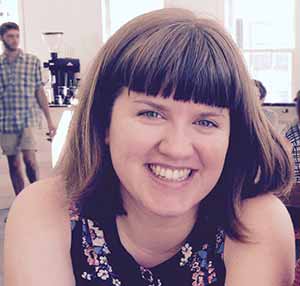
Kathleen Jones is a poet, designer, and technical writer in Wilmington, NC. She has an MFA in poetry from UNC Wilmington. Her poems included in Grist are part of an in-progress book length project. Her work is forthcoming from Rust + Moth and can be found in Meridian, BOAAT, storySouth, LEVELER, and others.