Meet the Team!
Hayden Arnett
September 12th, 2026
Since submissions for Grist’s 20th issue opened last month, our team has been hard at work reading your amazing writing. Here is your introduction to the editors searching for your best work—and a sense of what they’re looking for along the way.
Editor-in-Chief
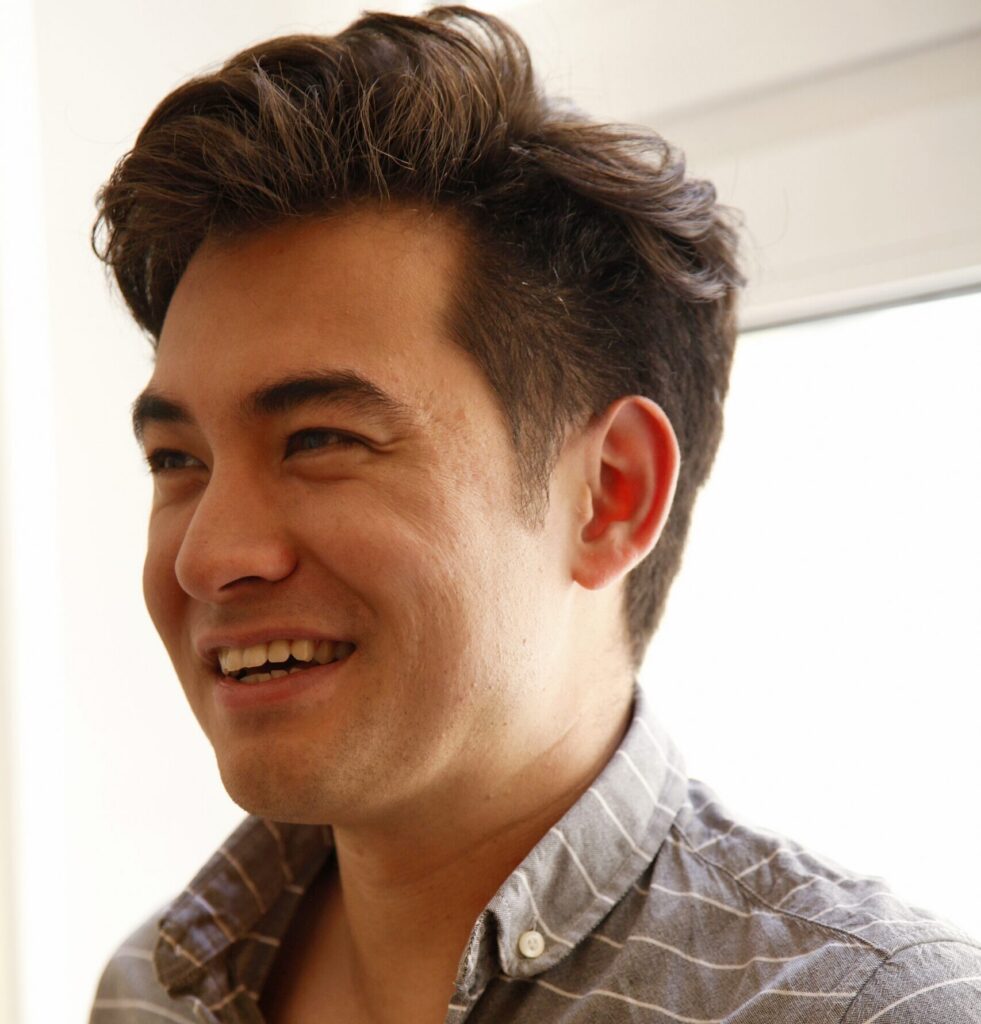
In his four years at Grist, Titus has edited and published some remarkable writing. One of his favorite pieces is last year’s ProForma winner “Testimonial Grids” by Elisávet Makridis, one he knew he wanted to publish as soon as he read it.
“I felt the same about Elisa Faison’s “Third Space” in Issue 17, Kasey Peters’s “Attaboy, Do-si-do” in Issue 18, plus so many others,” he says. “Sometimes work just jumps out at you and being its steward is a wonderful privilege that makes the hard work of making a journal worth it.”
Looking ahead to this issue, Titus is hoping to broaden the journal’s scope: “I’m always on the lookout for the incongruous, be it in form or in content,” he says. “I think for an American journal, based within a writing program, that can be as simple as being open to international work, as well as work by mature authors.”
Poetry Team
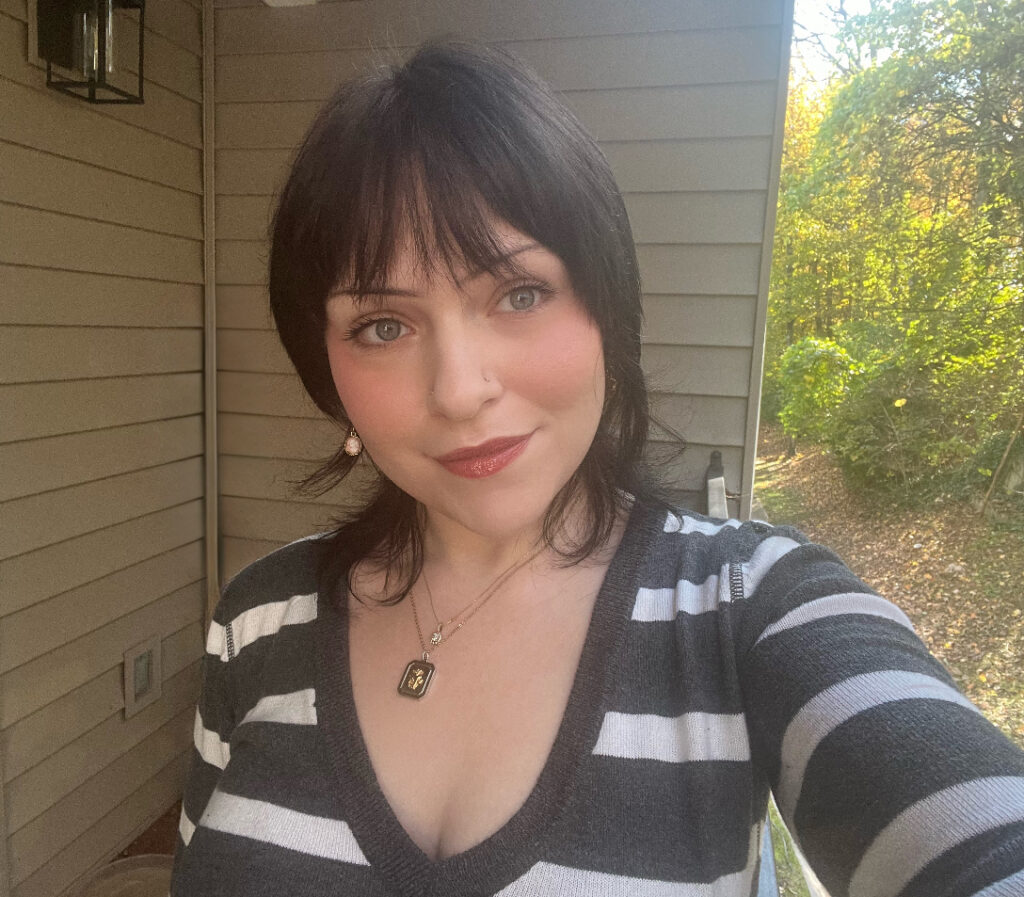
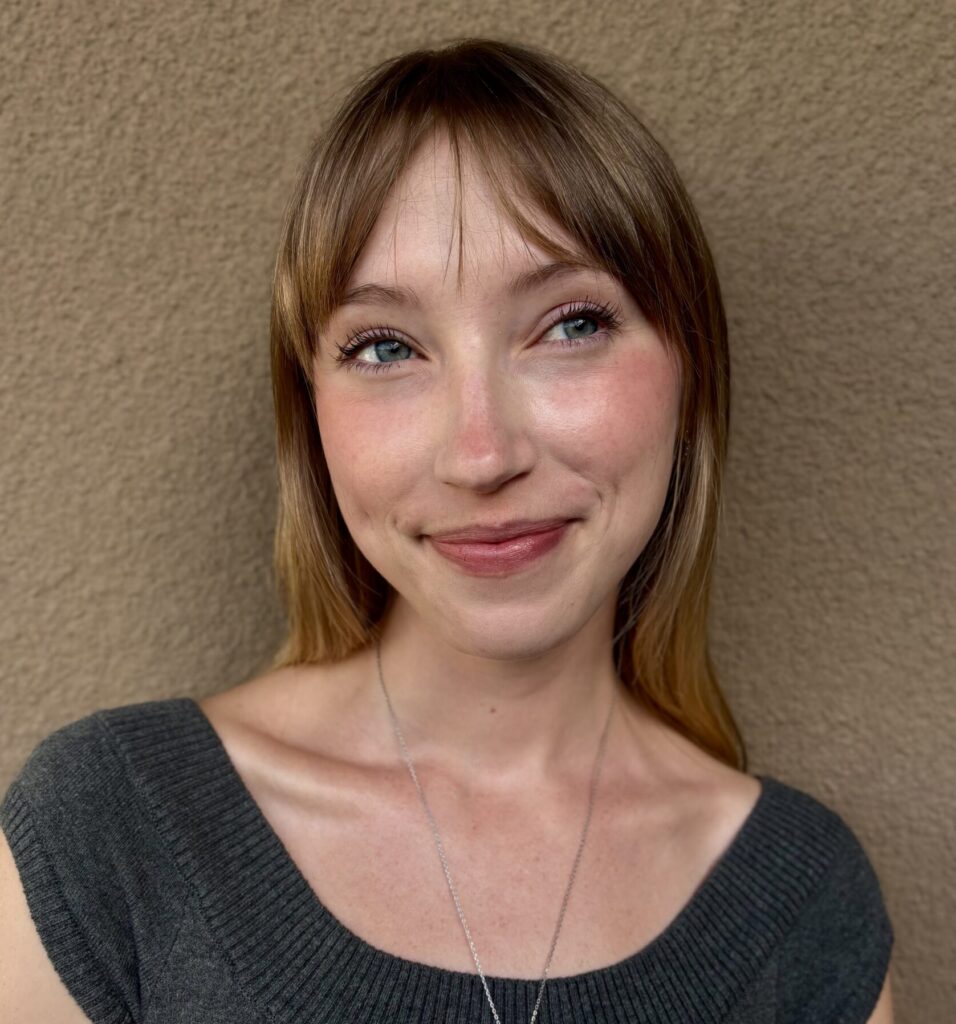
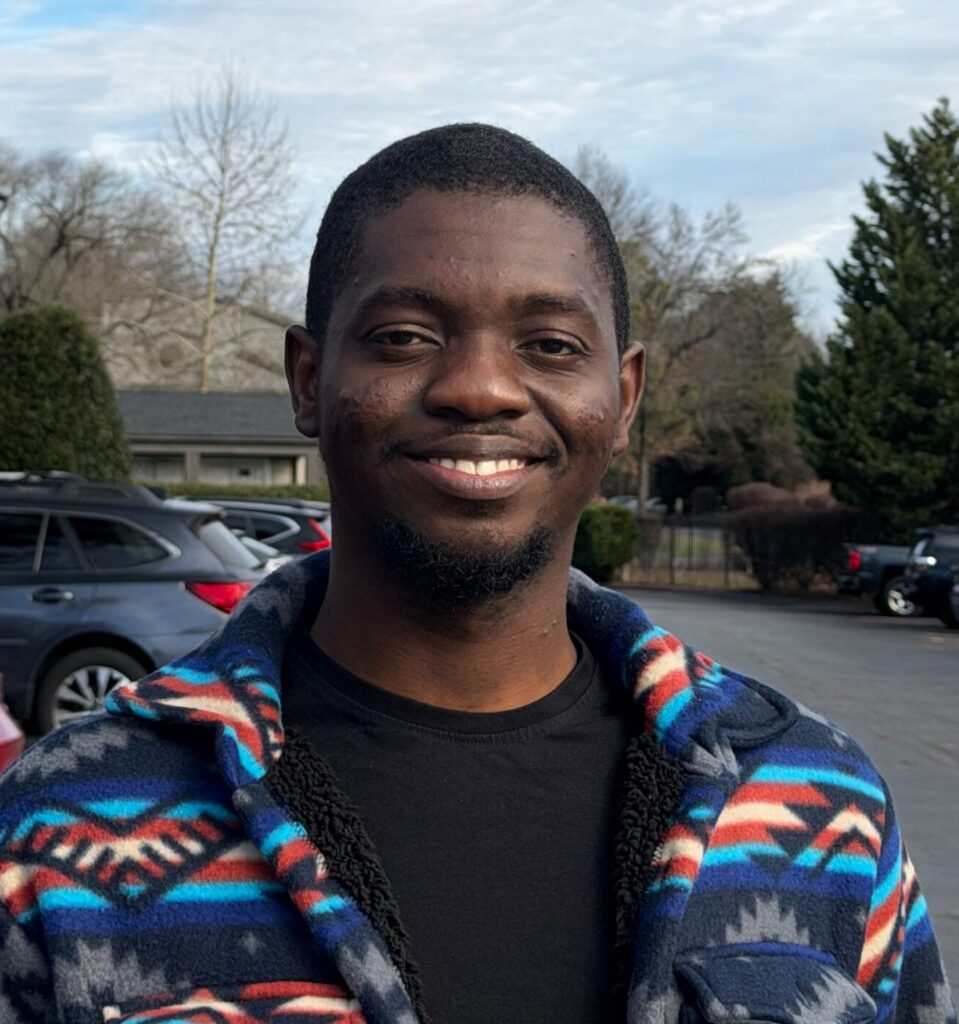
Veronica Fletcher (Poetry Co-Editor), Cora Schipa (Poetry Co-Editor), Michael Emmanuel (Assistant Poetry Editor)
With personal influences ranging from the works of Lynda Hull, Gregory Pardlo, and Aria Aber, the poetry team craves work that feels both innovative and distinctly original.
“I love a poem that isn’t afraid to reinvent itself with purpose,” says Veronica—who is a second-year MFA and co-host of UTK’s Chiasmus reading series. She especially loves, “a poem that wanders deliberately, a poem with kaleidoscopic form and image I can revisit a dozen times.”
Similarly, Michael—also a second-year MFA—is looking for poetry that leaves an aftertaste. “I enjoy poems that reimagine possibilities with language, poems that linger in the mind long after the last syllable. Short poems, long poems, form poems, free verses, if they startle me into delight, I will root for them.”
Cora, who is the assistant managing editor of Crab Creek Review in addition to her work at Grist, is focused on work that feels fresh and unexpected, with sound structure and distinct phrasing.
“I’m always looking for poems that pay meticulous attention to language and feel sonically obsessed,” she says. “Cliché immediately turns me off — I want risk, boundary-breaking, surprise!”
Fiction Team

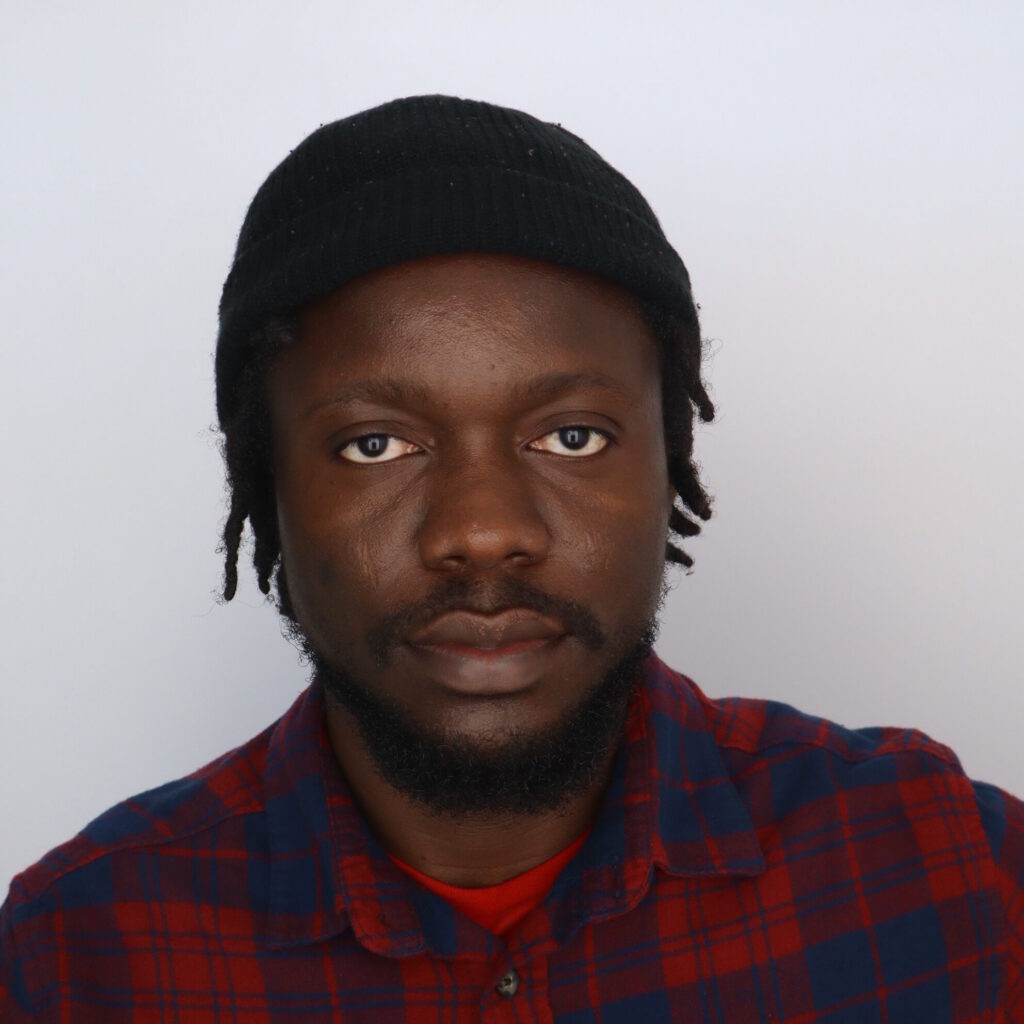
April Trepagnier (Grist Fiction Editor), Arinze Akpa (Assistant Fiction Editor)
The fiction team is zeroing in on work that feels authentic, daring, and pointedly human. Their inspirations range from Cormac McCarthy to Franz Kafka, with wit and attention to detail at the forefront of what they’re looking for.
April, a PhD student in contemporary literature, says “My favorite writers are those who are looking, considering, feeling, parsing, questioning, observing. And when I am done, when they are done with me, we are both something different for the journey.”
Likewise, Arinze—a second-year fiction PhD—is seeking a blend of earnestness and humor.
“I am looking for fiction that is both hilarious and serious—a story with a strong presence of characters and language, unafraid to take risks,” he says. “’The Flatlander’” by Courtney Pasko is a phenomenal recent example with a unique voice and presence. The humor does not take away from the interesting and urgent thing the narrator seems eager to reveal, and that makes it unputdownable.”
Creative Non-Fiction Team
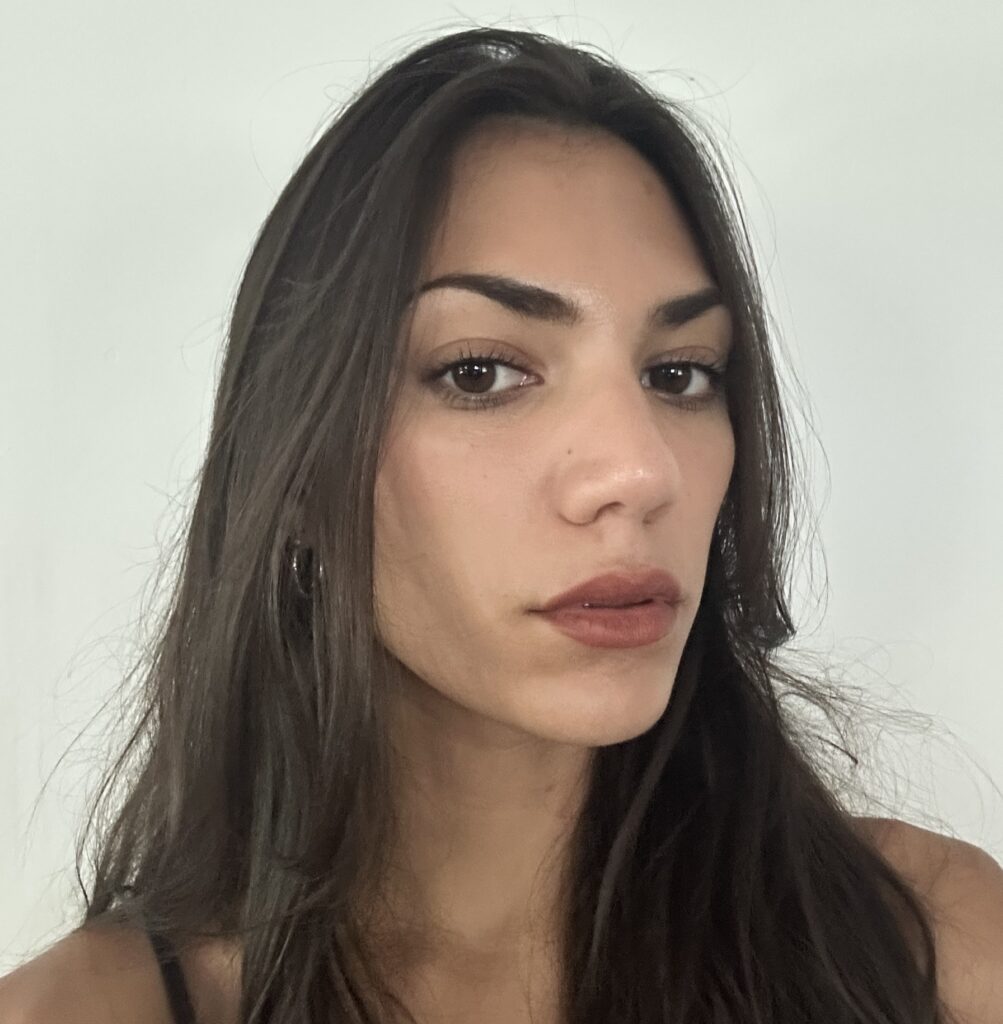
Alexandra, a Pushcart and Best of the Net-nominated fiction writer says, “Nonfiction is a genre that allows for incredible vulnerability and reflection from its writer. Personally, I admire how it’s the narrative construction—the actual telling of the story—that extends a personal experience beyond its writer and to its reader.”
Alexandra tends to favor writing that lingers in the mind and—in some cases—forces you to re-evaluate the mundane. She names Molly McConnell’s “Water Damage” from Issue 19 as a recent favorite.
“From start to finish, McConnell paints a stunning portrait of an entire relationship’s development and dissolution. I still think about it when I see even the most minute water stain, which, truly, is the resonant power of nonfiction.”
Editorial Team
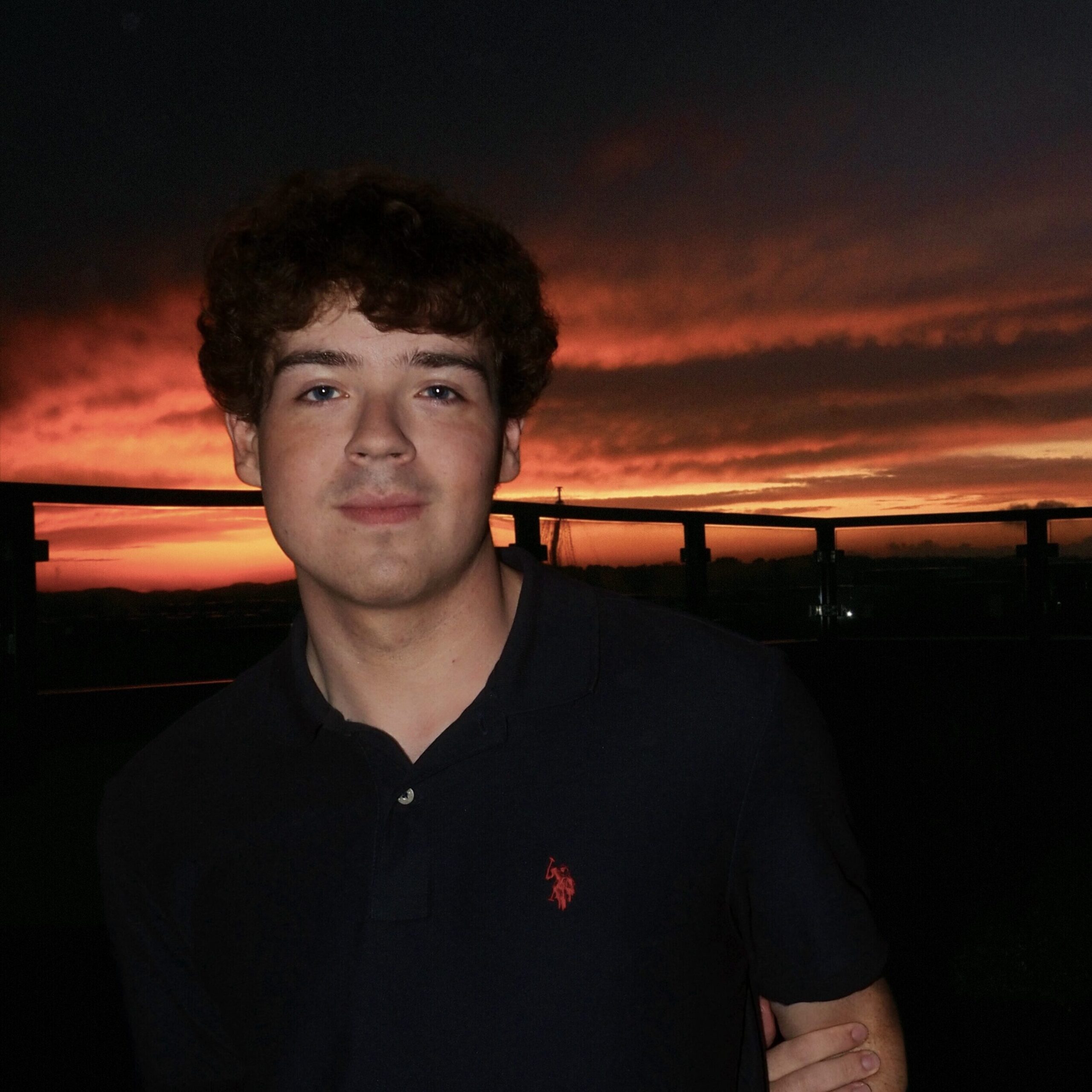
Hayden, a sophomore Journalism and Creative Media major, is Grist’s first editorial intern and will be assisting with social media, submission reading, and production tasks for the fall semester.
Hayden is drawn to writing that is nostalgic and immersive, yet still deeply personal and authentic. He says, “Through my experiences in newspapers and my own literary magazine, I’ve come to appreciate writing that carries a piece of the writer in it. For me, it’s those pieces which feel alive that inspire me and hold my attention.”